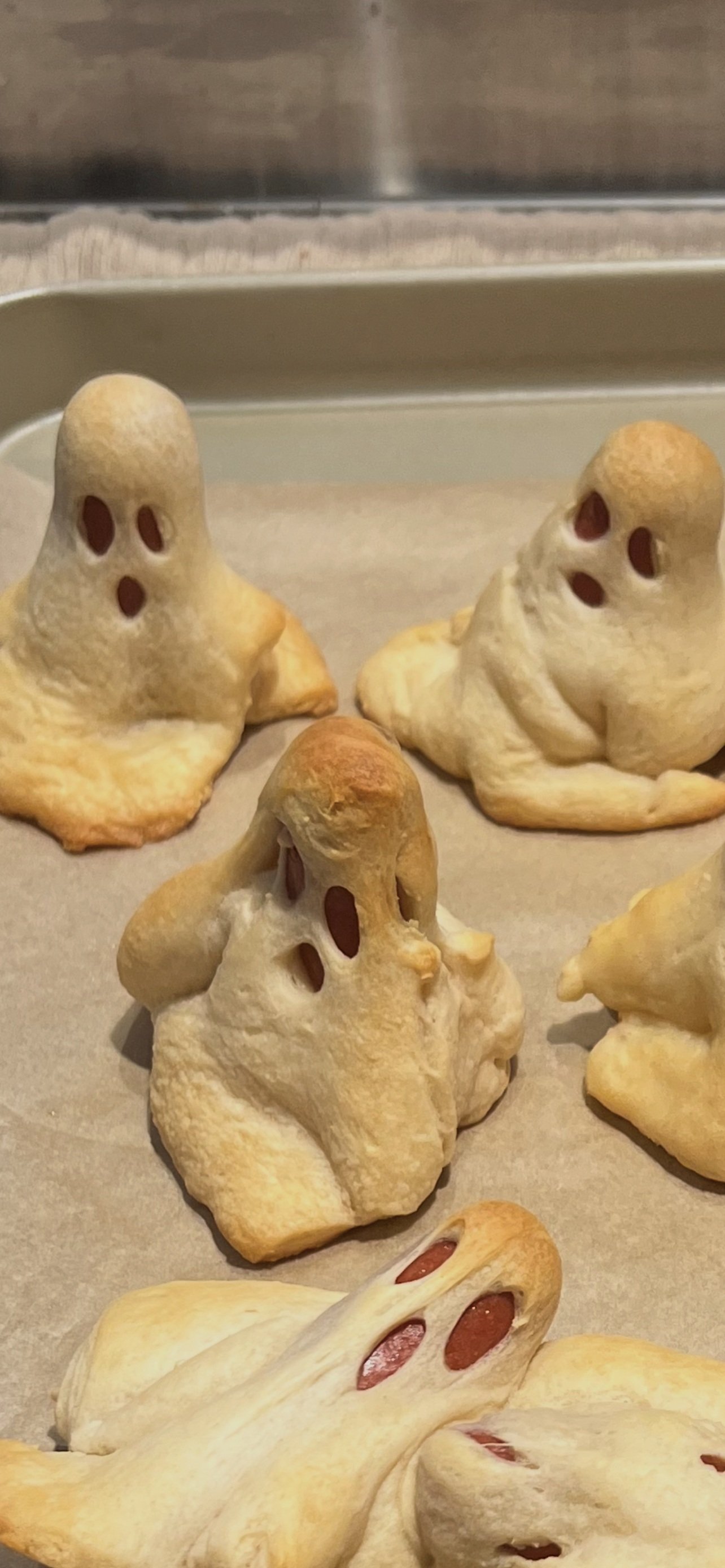
A 2026 Halloween sensation with a long lineage to 19th Century Texas.
Whoever first thought to wrap a sausage in dough probably had no idea what a culinary dynasty had begun. Over the centuries, variations on this simple idea have traveled from European bakeries to American kitchens, cocktail parties, and eventually Halloween celebrations, where the humble hot dog has acquired a rather supernatural identity.
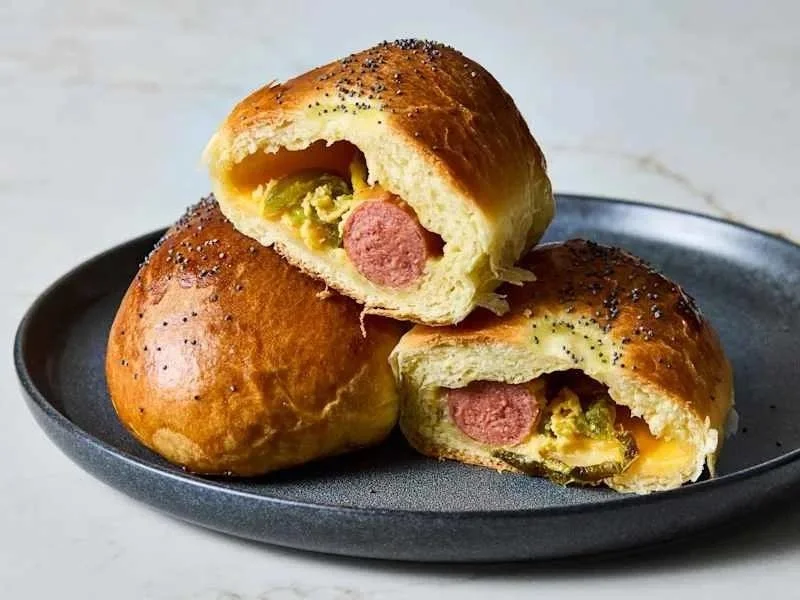
1850s — The Czech Connection
Czech immigrants began arriving in Texas in significant numbers during the 1850s, bringing their traditional baking customs, including koláče, soft yeast pastries typically filled with fruit, poppy seeds, or sweetened cheese. The savory cousin, the klobásník, enclosed sausage in a soft, slightly sweet dough. Although the precise date of its Texas origin is uncertain, sausage-filled versions were firmly established in Czech-Texan bakeries by the mid-twentieth century. Technically, a sausage kolache isn't a kolache at all. But try explaining that to a Texan standing in line at a bakery.
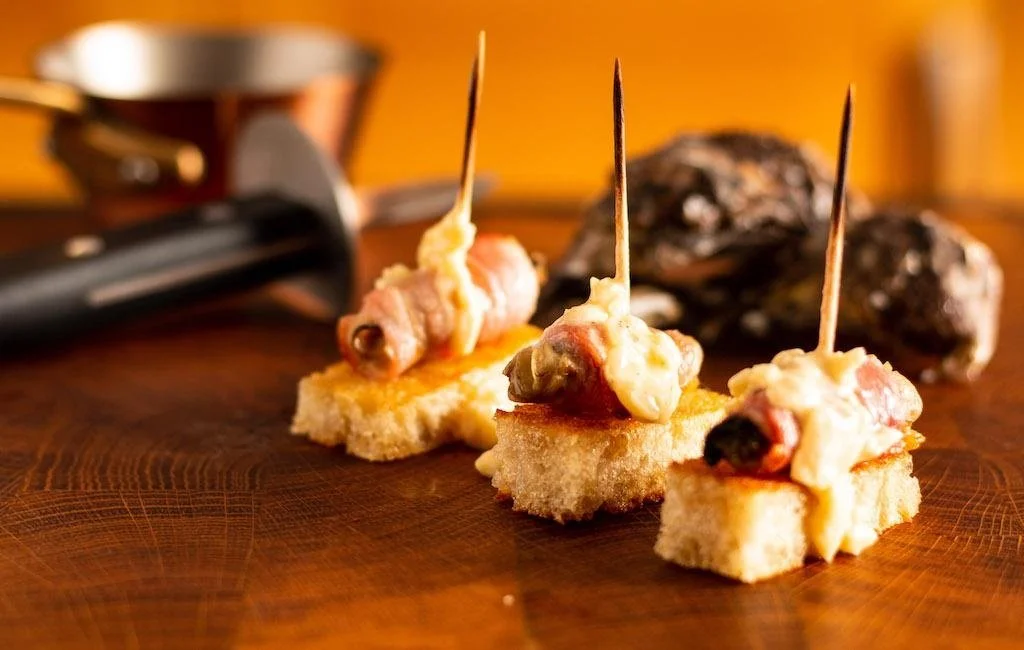
1882 — Pigs in a Blanket Get Their Name
One of the earliest documented American uses of the name Pigs in a Blanket appeared in an1880 cookbook from Boston, Miss Parloa’s New Cookbook: A Guide to Marketing & Cooking by Maria Parloa, who was the Julia Child of her day. Surprisingly, the pigs weren't sausages. They were oysters wrapped in bacon. Although the ingredients eventually changed, the name was catchy and survived.
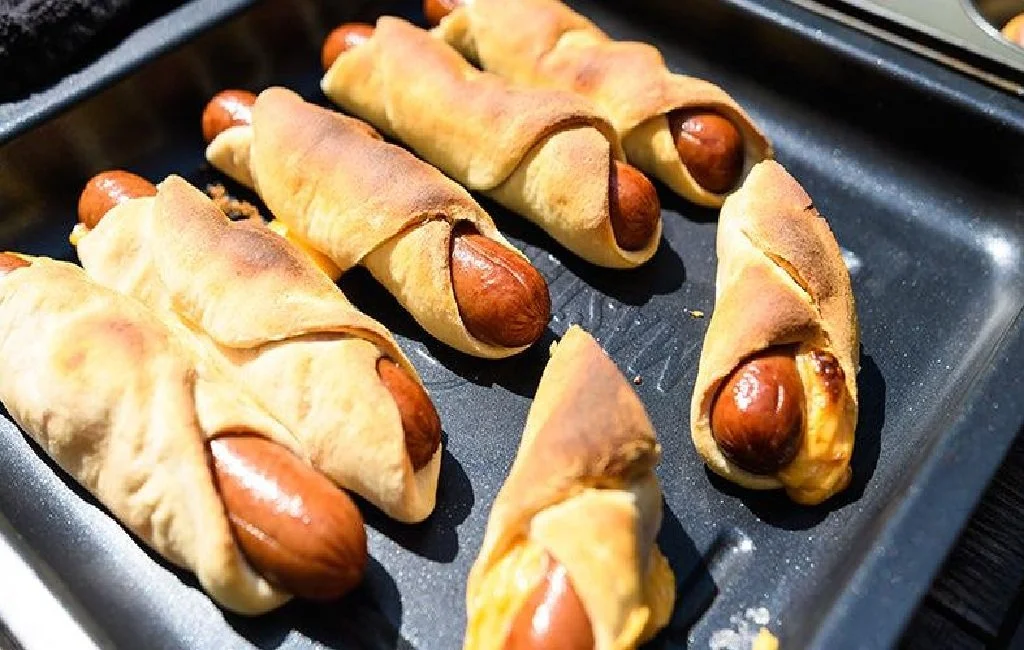
1950s — The American Hot Dog Takes Cover
By the 1950s, American home cooks were wrapping frankfurters in biscuit dough and baking them. Betty Crocker's 1957 Cook Book for Boys and Girls featured a recipe called Pigs in Blankets, using Bisquick dough wrapped around hot dogs.The dish was inexpensive, uncomplicated, and particularly appealing to children. It was also ideally suited to America's growing enthusiasm for convenient, ready-to-prepare foods.
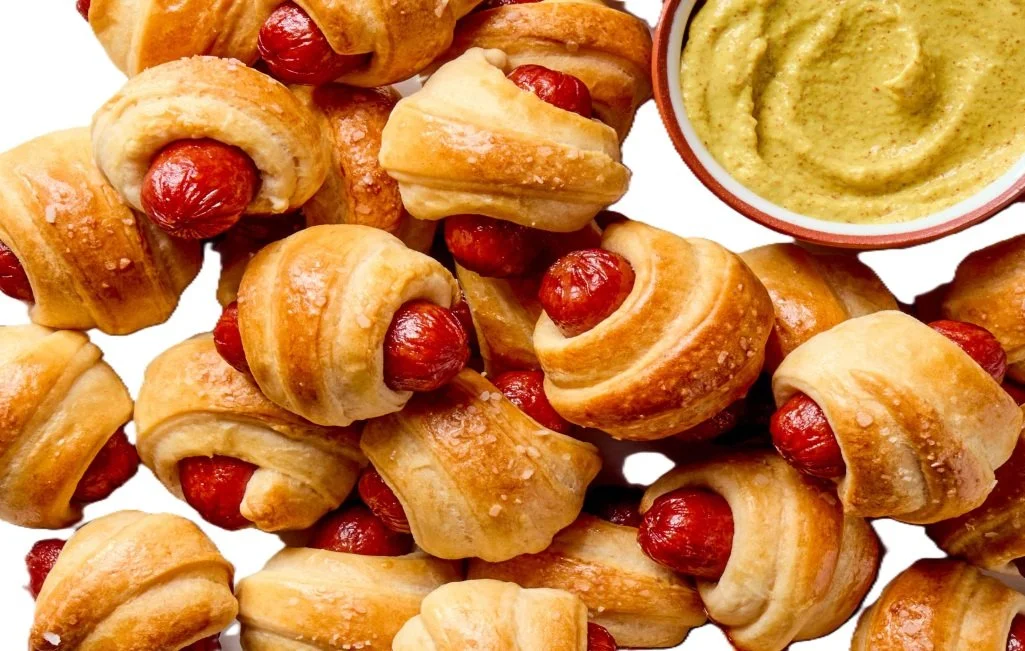
1961 — Pillsbury Changes the Recipe
Pillsbury introduced refrigerated crescent rolls in 1961, eliminating the need to mix and roll homemade dough. Eventually, cocktail-size smoked sausages became a popular filling, creating the Piglets in a Blanket familiar at parties and holiday gatherings. In 1998, Pillsbury's test kitchens developed their own version, originally named Sausage Snack Wraps. By then, the little pastry-wrapped sausages were already an established American favorite.
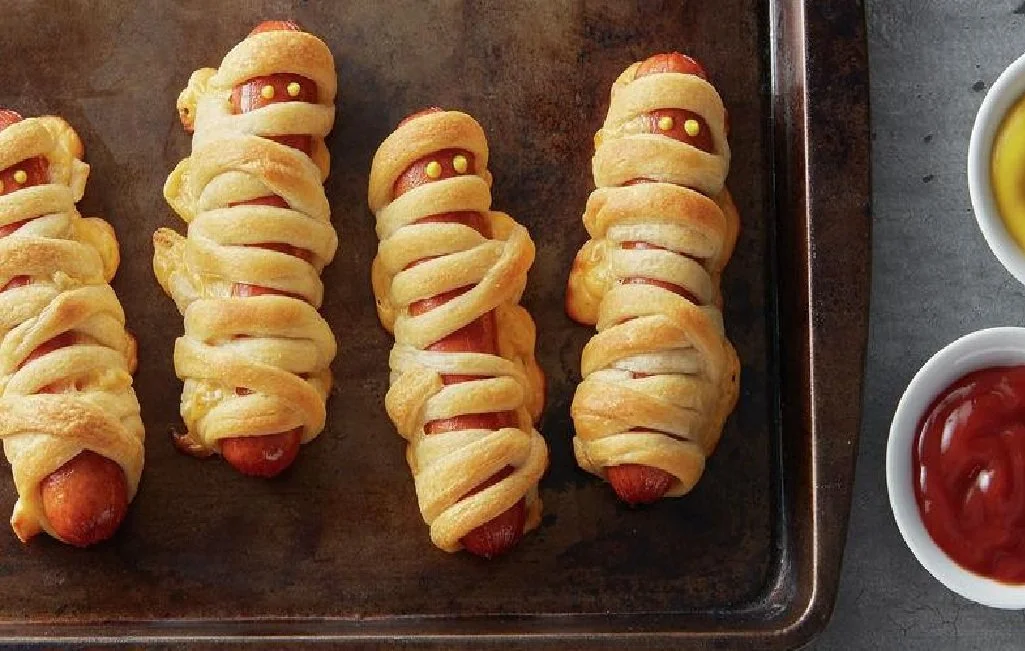
2008 — The Mummies Arrive
Halloween brought a new twist. Rather than enclosing a hot dog in a tidy pastry blanket, cooks began wrapping narrow strips of crescent dough around it to resemble a mummy's bandages. Pillsbury's Crescent Mummy Dogs were circulating by 2008, and the recipe was documented online in 2009. A couple of strategically placed mustard eyes completed the transformation.
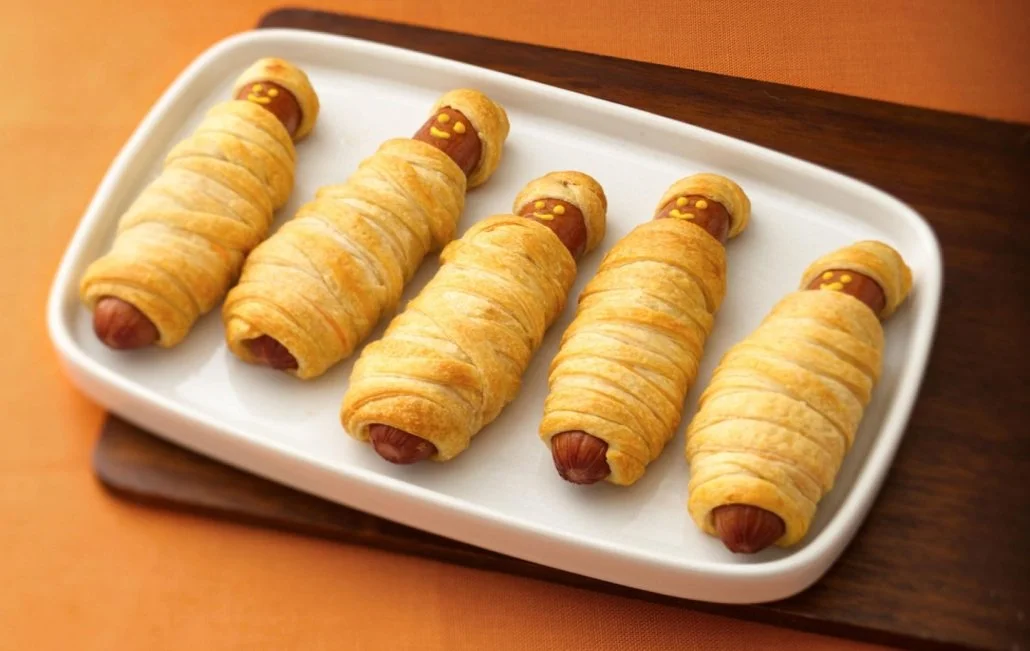
2025 — Oscar Mayer and Pillsbury Join Forces
By September 2025, Oscar Mayer and Pillsbury were jointly promoting the Halloween Mummy Dog concept, combining Oscar Mayer frankfurters with Pillsbury refrigerated crescent-roll dough. The collaboration brought together two familiar American brands whose products had long been associated with Pigs in a Blanket. It also demonstrated how thoroughly the Halloween variation had entered mainstream American cooking. The mummy was no longer merely a homemade novelty. It had become a seasonal promotional opportunity for two of the country's best-known food manufacturers.
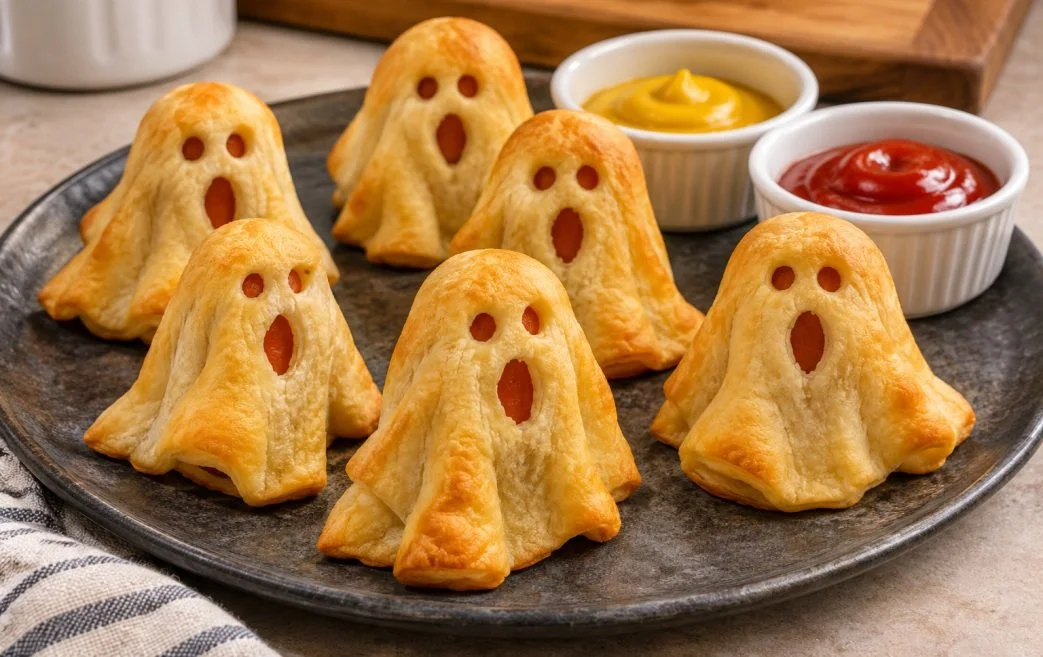
2026 — Enter the Ghosts
The latest Halloween incarnation is the Hot Dog Ghost, made by draping crescent dough over upright hot dog halves and cutting openings for eyes and a mouth. Examples began appearing online in September 2026, and by mid-October the idea went viral on social media sites like Pinterest, Instagram, TikTok, Facebook and throughout the food blog-o-sphere. It happened with such phenomenal speed that the identity of the original creator—and precisely when these little apparitions first appeared—remains a mystery.
And so, from the bakeries of Central Europe to the Halloween table, the sausage has enjoyed a remarkably varied wardrobe. And while this really isn’t cooking, nor is it a true recipe like most on Kitchen Tapestry, it nevertheless was a fun thing to do for a family Halloween dinner event, and delighted the grandkids. For the sake of posterity, and for a little bit of food history behind the idea, it’s found its way here, uniquely and more aptly named, Phantoms in Pastry.
Phantoms in Pastry

A 2026 Halloween sensation with a long lineage to 19th Century Texas.
Ingredients
- 2 packages of 4-count jumbo hot dogs (like, Hebrew National Jumbo)
- 2 cans 8-count crescent rolls (like, Pillsbury)
- ketchup, mustard, BBQ sauce for dipping
Instructions
- Pre-heat the oven to 375°F with a rack in the top 1/3 of the oven.
- Using a very sharp knife, cut each hot dog in half for a total of 16 hot dog halves.
- Unroll the crescent roll dough. Separate the dough into fourths, keeping two rectangular crescent rolls intact where they are scored. This will give you four rectangular sheets of pastry dough, or eight for two cans.
- Cut each rectangular sheet of pastry dough width-wise into two even squares. The scored dough will run through each of these squares. Pinch the scored perforations firmly together so the square of dough does not separate when handled. You should now have 16 more or less uniformly sized squares of dough that will cloak each hot dog half.
- Stand the hot dog half upright on a sheet pan or cookie sheet lined with parchment paper.
- Drape one square of pastry dough over the hot dog half. Carefully pull the bottom of the pastry dough down toward the parchment, pressing slightly, but be careful not to poke the hot dog through the top of the pastry square. The colder the dough is, the better.
- Using a plastic straw, carefully poke two "eyes" and a "mouth" at the top of the phantom to create the spooky effect.
- Continue until all 16 hot dog halves are cloaked. Handle the sheet pan or cookie sheet carefully going into the over so as to not knock any of them over.
- Bake 10-14 minutes and remove from the oven when the dough is beginning to brown.
Notes
- Jumbo hot dogs are easier to work with and less likely to fall when cooking as opposed to standard sized frankfurters.
- Use a VERY sharp knife for cutting the hot dogs in half and do so carefully so the dog will stand upright. Test each one's stability immediately after cutting them in half and if needed, trim the bottom to ensure it is precisely level.
- Use parchment paper as a liner for the sheet pan or cookie sheet. Do not use aluminum foil.
- Ensure the dough is well refrigerated before beginning and work quickly. The warmer the dough becomes, the more difficult it is to work with. If speed is a problem, keep each dough square on a plate in the refrigerator until needed.
- No matter how carefully you might handle the tray going into the oven, one or two of the phantoms might still fall over. Don't worry. They taste just as good!