Ranch Style Beans
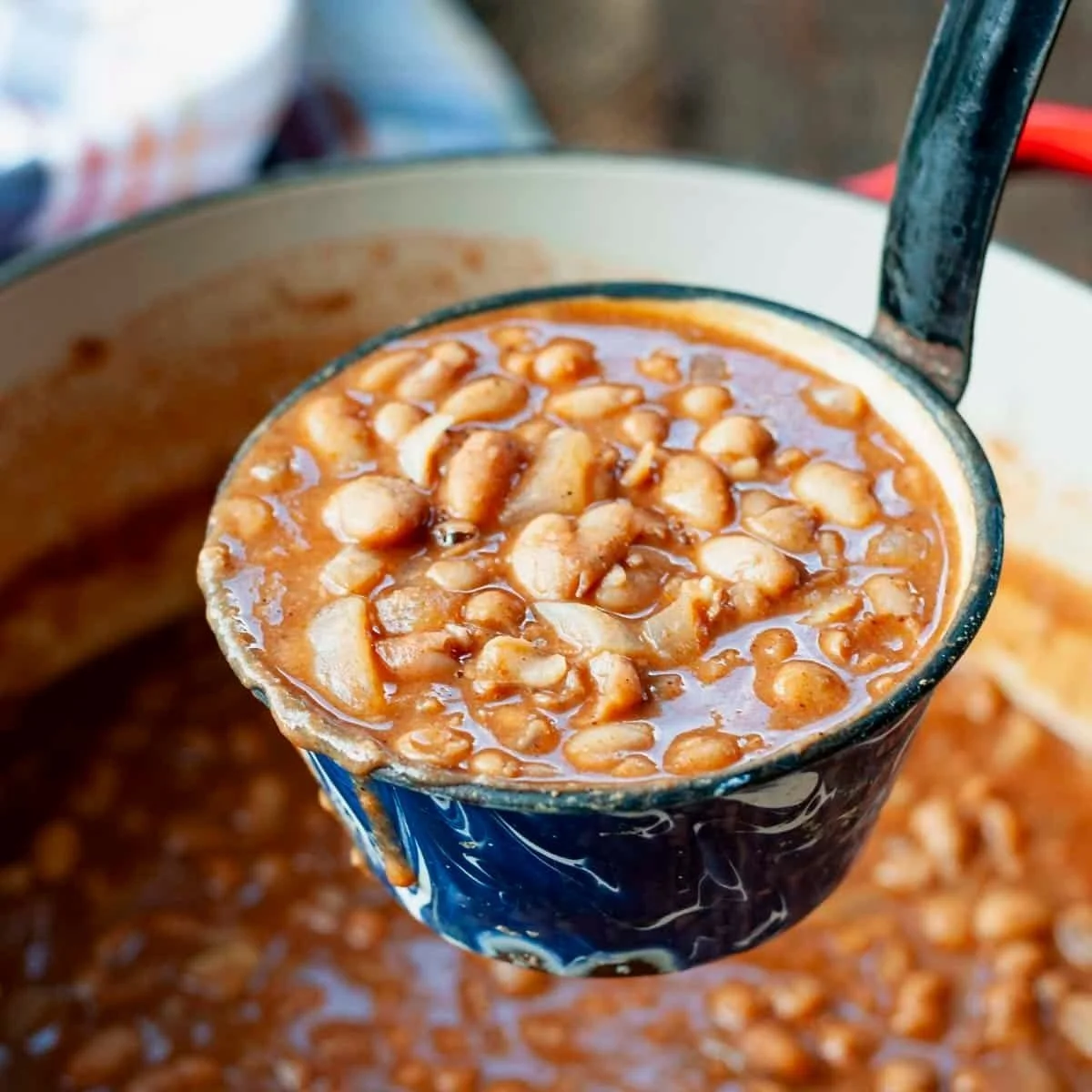
True Ranch Style Beans are a one-of-a-kind recipe that was created in Ft. Worth, Texas during the Great Depression.
Most food bloggers are confused about this recipe, and I don’t blame them. I blame Conagra Brands. They’re one of North America’s largest packaged-food companies, with more than 40 major food brands, 41 production facilities, and about $11.3 billion in annual sales. If you buy food in a grocery store, you’ll be buying at least some of their products in such brand lines as Birds Eye, Libby’s, Hunt’s and many others, including Ranch Style Beans. Today, Ranch Style Beans is a line of seasoned bean products. But that wasn’t always so.
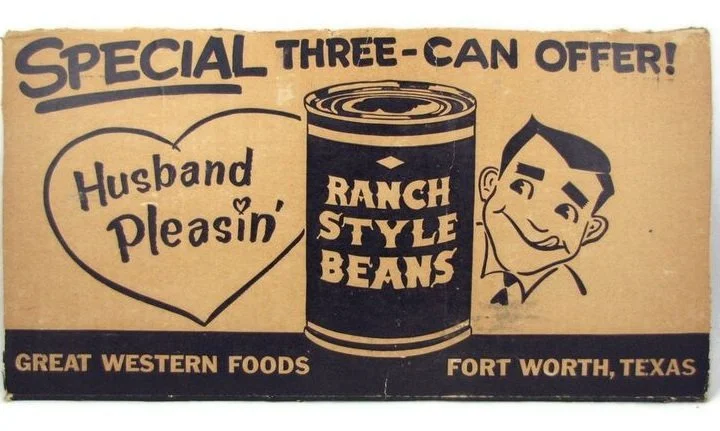
Waples-Platter Grocery Company was a wholesale grocery business in the late 19th and early 20th centuries. In 1931, they began developing a canned pinto bean product and after three years, launched Ranch Style Beans. It was originally named Chuck Wagon Beans, but a trademark conflict forced the name change. Throughout Texas, Ranch Style Beans became a much loved product touted as "Husband Pleasin'"— acknowledgement of the fact that women generally made the grocery store purchase decisions in those days.
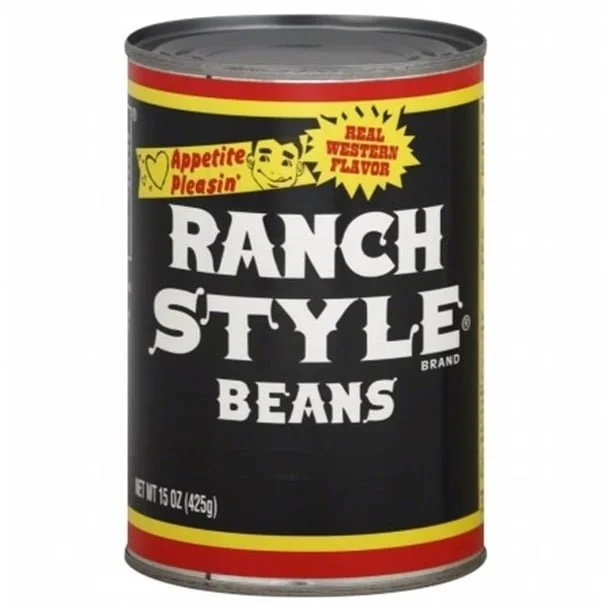
The familiar black labeled can with the red and yellow band was a pantry staple and frequent dinner side dish at our house while I was growing up in West Texas. Great Western Foods, a manufacturing subsidiary of Waples-Platter, produced the product at at single location in Ft. Worth while Waples-Platter continued selling Ranch Style Beans through its wholesale network. Ranch Style Beans was it own recipe, made with pinto beans, and seasoned with beef tallow, tomato puree, salt, sugar and seasonings that hit notes predominately of chili pepper, onion and a little garlic.
In 1982, the brand was sold to a company called Fleming Foods, which in turn sold it to American Home Products Corporation a year later. They continued to make the product in its original Ft. Worth location, using the original recipe, but it dropped the "Husband Pleasin'" advertising tagline and changed it to "Appetite Pleasin,'" recognizing the changing lifestyle of Americans and the fact that housewives conducting the weekly grocery shopping was a fading cultural phenomenon.
In 2000, Conagra bought the brand and a decade later, shut down the Ft. Worth plant that had continuously produced Ranch Style Beans at that location for 76 years.
People began noticing changes after that. The recipe changed and so did the flavor. More recently, the familiar black, red and yellow branding colors have evolved to something less nostalgic.
While the actual recipe is undisclosed, beef tallow was discontinued as an ingredient which, to aficionados, severely impacted the product's taste and mouthfeel. Canola oil was substituted. The Conagra iteration also had a thinner sauce and was less chili-forward.
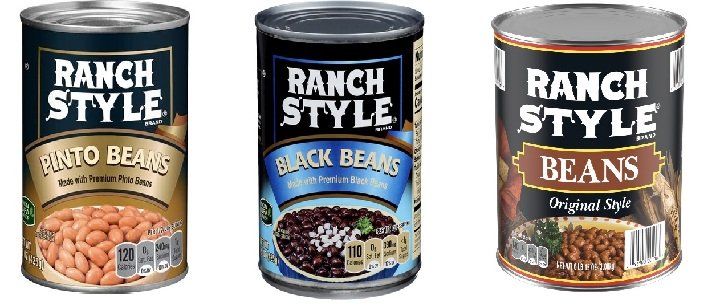
Since then, Conagra has turned Ranch Style Beans into an umbrella brand for other flavored bean products that include Jalapeño, Sweet Onion, Zesty Red Pepper, and even different beans, like black beans.
And, confusingly, pinto beans are a part of this product line, sold as “Premium Black Label,” with a seasoning profile even further removed from the original Ranch Style Beans recipe. But also as part of the Ranch Style Bean line, Conagra still sells "Original Style," which of course, is a corporate lie.
This whole bean diversification strategy was seen by industry insiders as Conagra’s effort to compete for market share against its primary competitor in this arena, Bush’s Beans.
Ranch Style Beans once meant something. One thing. Pinto beans cooked in one helluva recipe.
Now, today, it’s a confusing hodgepodge of varying legumes prepared various ways and no one in the food blog-o-shpere with a Ranch Style Bean recipe even remotely knows what to shoot for.
My hat’s off to a food blogger, The Lonely Texan, apparently a transplant to Manhattan. She experimented with trying to rekindle the old Ranch Style Beans flavor and claims she came very close. But her recipe is from scratch and takes a full day or more to prepare, including reconstituting dried Ancho chile peppers that have been cored and seeded. Moreover, her recipe does not include beef tallow and if you listen to the old-timers, they tell you that was the secret ingredient that carried the rest of the flavors in the recipe.
So, I did some experimenting of my own, doctoring a can of plain pinto beans with the fundamentals of her recipe but included animal fat. I did not have beef tallow on hand, so I used bacon fat. This recipe got me pretty close to the flavor of Ranch Style Beans that I remembered from West Texas.
Incidentally, beef tallow is the bovine equivalent of pork fat, or lard, and it is available at large grocery retailers like Kroger, or online. I’ll be keeping some in my refrigerator from now on.
And back to my original premise, that the food blog-o-sphere of today doesn’t really know what Ranch Style Beans are. All manner of recipes under that name are online, and they may or may not have any similarity to the original, except almost everyone agrees chili powder is an essential distinguishing characteristic to be called Ranch Style Beans. Tomato and onion generally follow. From there, the sky is the limit. Some use green chilies. Some add beef brisket. Some use other kinds of beans, like kidney.
Many of them are good bean recipes. But none of them are truly Husband Pleasin’ Ranch Style Beans like they tasted when they came from Ft. Worth, Texas.
Ranch Style Beans

True Ranch Style Beans are a one-of-a-kind recipe created in Ft. Worth, Texas during the Great Depression.
Ingredients
- 1 15-oz can Pinto beans (like, Bush's)
- 1 tbsp beef tallow (or substitute bacon fat)
- 1 tbsp tomato sauce (or substitute Heinz Chili Sauce)
- 1/2 tsp Ancho chili powder
- 1/2 tsp cider vinegar
- 1/4 tsp smoked paprika
- 1/4 tsp cumin
- 1/8 tsp brown sugar
- 1/16 tsp garlic powder
- 1/16 tsp onion powder
- 1/16 tsp oregano
- 1/16 tsp fine sea salt
Instructions
- Do not drain the can of beans, but place in a sauce pan over medium high heat.
- Bring to a simmer and add the beef tallow or bacon fat. Stir in until melted.
- Add all remaining ingredients and stir to incorporate.
- Reduce the heat, cover and simmer on low heat for 30 minutes. Stir occasionally.
Notes
- If you're using the quick start soaking method and live in high altitudes above 5,000 feet, during the initial start-up of the recipe, boil the legumes for 4 minutes and allow to sit for 90 minutes.